Telematics Control Unit for Electric Vehicles: Benefits, Features and Applications
August 7, 2023
Article
Telematics Control Unit for Electric Vehicles is becoming an important technology for connected mobility as electric vehicles (EVs) continue to evolve. Unlike conventional vehicles, EVs generate and rely on large volumes of data related to battery health, state of charge, energy consumption, charging cycles, vehicle location, and driving behaviour.
A telematics control unit or telematics gateway can collect this information from different electronic control units (ECUs), process it, and securely transmit relevant data to cloud platforms. This enables vehicle manufacturers, fleet operators, and drivers to make informed decisions while improving vehicle efficiency, range, safety and overall fleet performance.
Telematics Control Unit for Electric Vehicles: Key Benefits
Improved Driving Experience
Range management is an important consideration for EV drivers. A telematics control unit can combine vehicle location, battery state of charge, estimated range, and charging-station information to help drivers plan journeys more effectively.
Real-time location and vehicle data can also support navigation, charging-station discovery, and trip planning, helping reduce range anxiety and improve the overall driving experience.
Battery and Energy Monitoring
Battery performance directly impacts an EV’s range, efficiency, and operating cost. Telematics systems can collect information such as battery state of charge, energy consumption, charging status, and other vehicle parameters.
This data can be transmitted to cloud platforms for analytics, helping OEMs and fleet operators understand energy usage and identify opportunities for improving vehicle efficiency.
Fleet Management
Electric commercial vehicles and last-mile delivery fleets require efficient route and energy management. Telematics enables fleet managers to monitor vehicle location, utilization, charging status, and operational performance from a centralized platform.
By combining vehicle data with route information, fleet operators can optimize charging schedules, improve vehicle utilization, reduce operating costs, and support more efficient fleet planning.
Alerts and Notifications
Real-time monitoring allows telematics systems to generate alerts based on vehicle and battery conditions. Drivers or fleet managers can receive notifications when the battery reaches a critical state of charge or when specific vehicle parameters require attention.
These timely alerts can help prevent unexpected interruptions and improve vehicle availability.
Over-the-Air Updates
Software plays an increasingly important role in modern EVs. A connected telematics unit can act as a communication bridge between vehicle ECUs and remote servers, enabling Over-the-Air (OTA) software and firmware updates.
With cellular connectivity, updates can be delivered remotely without requiring the vehicle to visit a service centre. This capability can help OEMs deploy software improvements, security updates, and new features more efficiently.
EV Management
A connected telematics solution can provide fleet operators and OEMs with actionable insights for EV management, including:
- Notifications when battery charge reaches a critical level
- Charging-cycle planning based on operational requirements
- Monitoring of energy consumption and vehicle performance
- Charging prioritization based on state of charge and schedules
- Vehicle utilization and performance reporting
- Analysis of electrification costs and operational efficiency
These capabilities help organizations make data-driven decisions throughout the EV lifecycle.
Hardware Requirements
An EV telematics platform needs to communicate with multiple vehicle systems while maintaining reliable wireless connectivity. A telematics control unit with multiple CAN interfaces and wireless technologies can provide the required connectivity.
Multiple CAN ports allow the telematics unit to communicate with different CAN networks within the vehicle and collect data from various ECUs.
Wireless connectivity such as 4G/LTE, Wi-Fi, and Bluetooth enables communication between the vehicle, cloud platforms, mobile devices, and local networks.
Software Flexibility
Unlike conventional vehicles, EV architectures and data requirements can vary significantly between manufacturers and vehicle platforms. This makes software flexibility an important consideration when selecting a telematics solution.
A Linux-based telematics control unit provides a flexible software environment for integrating vehicle communication protocols, cloud connectivity, analytics applications, OTA frameworks, and customer-specific software.
This flexibility enables the same hardware platform to be adapted for different EV architectures and application requirements.
Connectivity and OTA
Cellular connectivity allows the telematics unit to maintain communication with remote cloud servers for real-time data exchange. Wi-Fi can provide local connectivity for applications such as software and firmware updates, while Bluetooth can support communication with nearby devices.
Together, these connectivity options create a foundation for connected EV applications, remote diagnostics, OTA updates, fleet monitoring, and driver notifications.
Telematics Control Unit for Electric Vehicles: Why It Matters
EVs require monitoring of several parameters that directly influence range, battery performance, charging efficiency, and operating costs. A telematics control unit provides the connectivity and computing infrastructure needed to collect this information and convert it into actionable insights.
By combining CAN connectivity, wireless communication, GNSS, software flexibility, cloud connectivity, and OTA capabilities, telematics solutions can help OEMs and fleet operators build smarter and more efficient electric mobility systems.
iWave’s Telematics Control Unit for Electric Vehicles
iWave provides telematics platforms designed for connected automotive applications, combining automotive interfaces, wireless connectivity, GNSS, processing capabilities, security features, and software support.
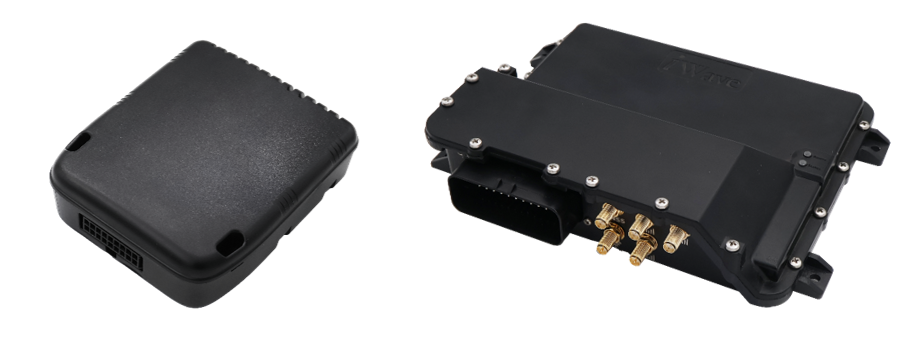
The platforms can be customized to meet specific vehicle, fleet, connectivity, enclosure, and application requirements, helping OEMs and solution providers accelerate the development of connected EV solutions.
As electric mobility moves toward increasingly connected and software-defined architectures, telematics is becoming an essential component of EV management. A Telematics Control Unit for Electric Vehicles enables real-time access to vehicle data, supports battery and energy monitoring, improves fleet management, facilitates remote notifications, and enables OTA updates.
With the right combination of hardware connectivity and software flexibility, telematics platforms can help OEMs and fleet operators improve EV performance, optimize operations, and deliver a more connected driving experience.
For more information, visit www.iwave-global.com or contact mktg@iwave-global.com
